
HOLLIES HUNTER TRIAL ELAND LODGE ARIAT NATIONAL HUNTER TRIAL CHAMPIONSHIP QUALIFIER 2027
Sunday 18 October 2026
Entries close in 2 days
6 upcoming events
Next event:
17/10/2026 Pole2Goal Vicky Hodge *OPEN TO ALL*
Find out more ..
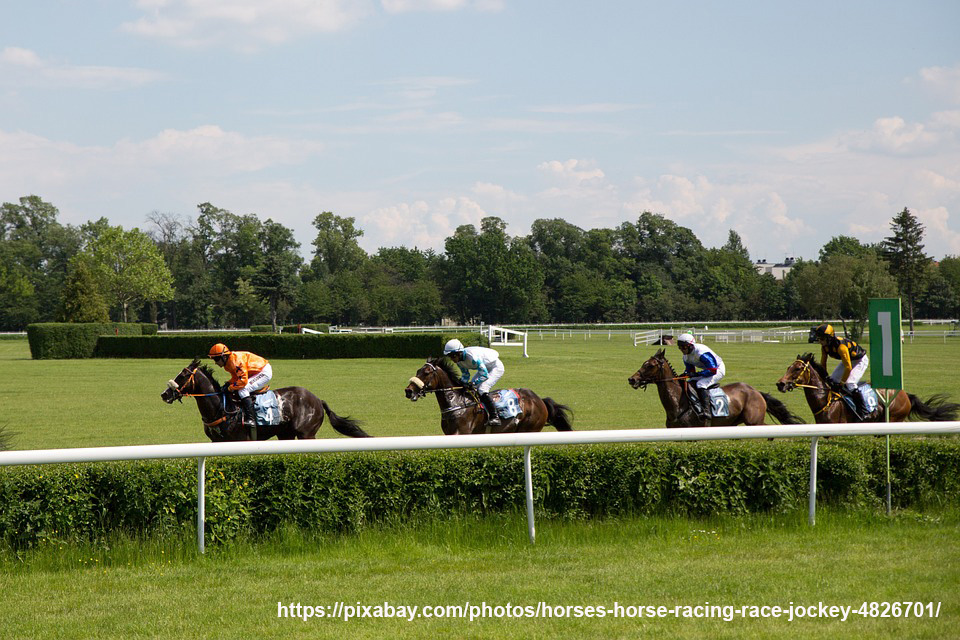
The horse racing and betting industries are fairly intertwined, especially in the UK. Each fuels the other, including in financial terms in areas like the Horse Racing Levy. It’s not always an easy relationship, but it is mutually beneficial.
And yet, betting has changed in recent years. Placing bets on horses used to refer to high street bookmakers and stalls on the racecourse. Today, the biggest volume of betting occurs online, sometimes with remote operators.
There have been other changes running parallel to the betting industry, particularly the arrival of prediction markets. These are a new type of trading platform, allowing people to create and trade events, including sports events. The idea is that a market is created in the form of a question: Will Willie Mullins win a Melbourne Cup before 2030? Will Ryan Moore ride 5 or more winners at Ascot? People take either side of the trade, forming the market.
Prediction markets are relatively new, with many having a background in the cryptocurrency industry. However, they have also become more mainstream. The American sports betting and DFS giant DraftKings has launched a new predictions platform, which you can see here. The focus can be on anything, from politics to financials to celebrities, but sports seem to be the biggest draw of all.
Where does that leave horse racing? It’s an interesting question. The first thing to say is that in the UK, prediction markets are somewhat unregulated, operating in a legal grey area in most respects. Many of the major platforms are blocked from UK internet users, though there are exceptions.
However, the massive surge in popularity of these platforms will put pressure on the powers that be to act, perhaps finding common rules that could be implemented in the UK market before platforms start to launch legally.
The bigger questions for racing would arguably be who owns the platforms, and whether it would still fall under the category of betting. The former, one would expect, would be the major UK bookmakers, much in the same way that DraftKings is operating legal prediction markets in the US alongside its sports betting and horse racing products.
The second question is a more difficult distinction to make. If it is under the betting category, then there would be no reason to think that horse racing wouldn’t benefit. Indeed, revenues could form part of the Horse Racing Levy.
All of this is speculative right now, and there are many other issues, including tax issues, that the horse racing industry is focusing on. But it would be short-sighted to dismiss the rise of prediction markets, even if they haven’t fully taken hold in the UK yet. It seems likely that they will impact the way some people bet – or trade – horse racing markets, so the question remains: who will benefit from it?


 0 entries £0.00